This is the first part in a series of intro to pastels for kids posts. I was at the art store looking to pick up a few more pastels, and had a thought—I bet other parents are really confused when they look at the selection of pastels to buy. I know I was!
But, before reading this remember to not let yourself get overwhelmed. When it comes to kids, always keep it fun! This post is really meant to help you become an expert on the subject within a few minutes. Then when your kids ask any question about pastels, you’ll know 🙂
What Are Pastels?
In simple terms, all pastels are made from ground pigments mixed with a binder then pressed and dried to hold their form. The type and amount of binder defines wether the pastel is hard, soft, or oil based. The actual word “pastel” comes from the Italian word pastello, and means paste. Pretty cool, huh?
There are four specific types of pastels:
- Oil pastels
- Soft pastels
- Hard pastels
- Pastel Pencils
Oil Pastels
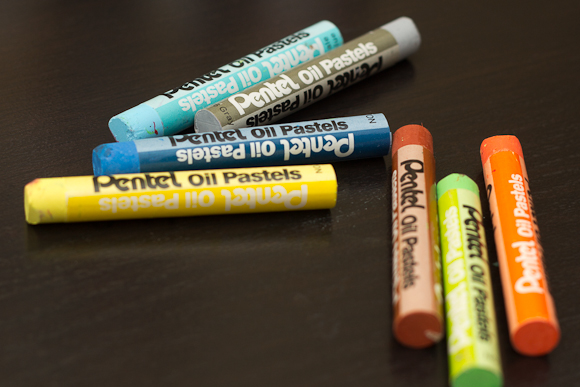
These are perfect for kids! I consider these a couple steps up from crayons. Oil pastels are made from an oil binder, which keeps them always “wet.” When you use them, you’ll notice that they apply to paper differently. It’s a lot like spreading butter! This also makes them unique from all the other pastels. Which also means they’re typically only used with each other. But, this creamy texture makes them extremely fun to shade with.
Pastel Pencils
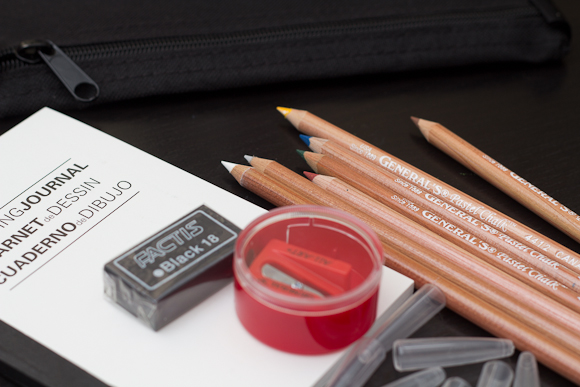
These are also great for kids, it’s a pencil. This makes it easy to hold, with less mess, and you can easily keep them sharp. There are drawbacks to them being pencils though. This keeps you from using the side of the pastel. Another drawback, is that pastel pencils are expensive compared to other pastels.
Hard Pastels
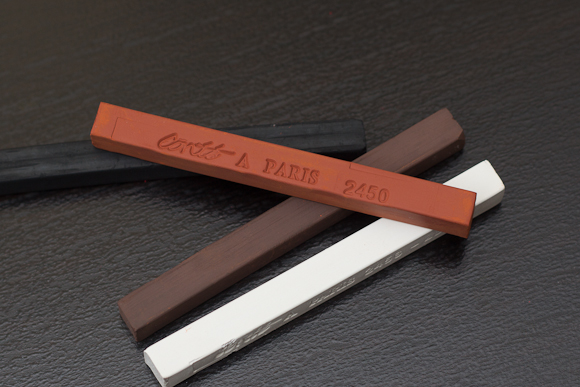
Hard pastels means exactly what it sounds like, they’re hard. They’re made with more binder than soft pastels, and more pressure is used to form them. Hard pastels are great for drawing and sketching, but typically not used to cover large areas of paper.
Soft Pastels
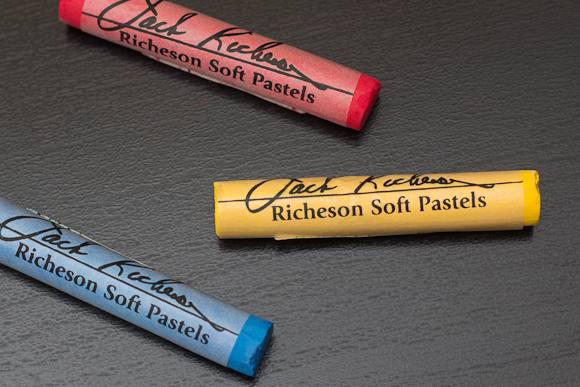
The best for last! This is where it’s at. Soft pastels usually have just enough binder to hold their form. The drawback, they’re very fragile. Don’t let that discourage you. Soft pastels transfer to paper with such rich color, your kids will love using them. Don’t worry if they break or crumble, just keep all the pieces and let them have fun. After a while you get used to using small pastel chunks.
Mixing Pastels
With the exception to oil, pastels don’t mix (in the traditional sense). Much like colored pencils, you don’t mix a red and blue pastel to get purple. That said, there are techniques to get a purple look from red and blue but for the most part you need a purple pastel if you want purple. This is the reason you’ll see sets of a hundred or more different colored pastels. Some artists consider this a downer, I consider it an excuse to buy more!
White And Black Pigment
For the same reason above, one pastel color will come in a large range of values (light to dark). These are manufactured by either adding white pigment to make it lighter, or black pigment to make the color darker. For kids, this is probably a little too much info. For parents, this will help you understand what you’re looking at when selecting colors with them.
Chalk Vs. Pastels
What’s the difference? By holding them together you’ll quickly see, it’s pigment! Chalk has a lot of white mixed with the pigment, that’s why they look “chalky” or pale. Pastels on the other hand are full of color. This also explains the big price difference. Chalk is great for chalkboards, and burning through sidewalk art!
What To Buy
You may be tempted to pick up a prepackaged set of pastels the next time you’re out. These sets are great, because they’re priced better, but consider first buying a few individually.
Buying a few hand selected colors allows you to:
- Find a brand you like most
- See if your kids really enjoy using them
- Pick the colors you actually want to use
The reason why I dislike sets most, after a few uses I’ve got an extremely small (or even gone) black and the neon purple is brand new. So while it may seem more cost effective to buy a set, in reality buying them individually is much easier on the wallet. Plus, it’s a blast hand picking colors with your kids.
I hope this little bit of pastel information helps the next time you find yourself in the pastel isle of your local art supply store. If you have any other questions I didn’t cover, feel free to drop a comment below.
